

-%D7%9C%D7%91%D7%9F.png)

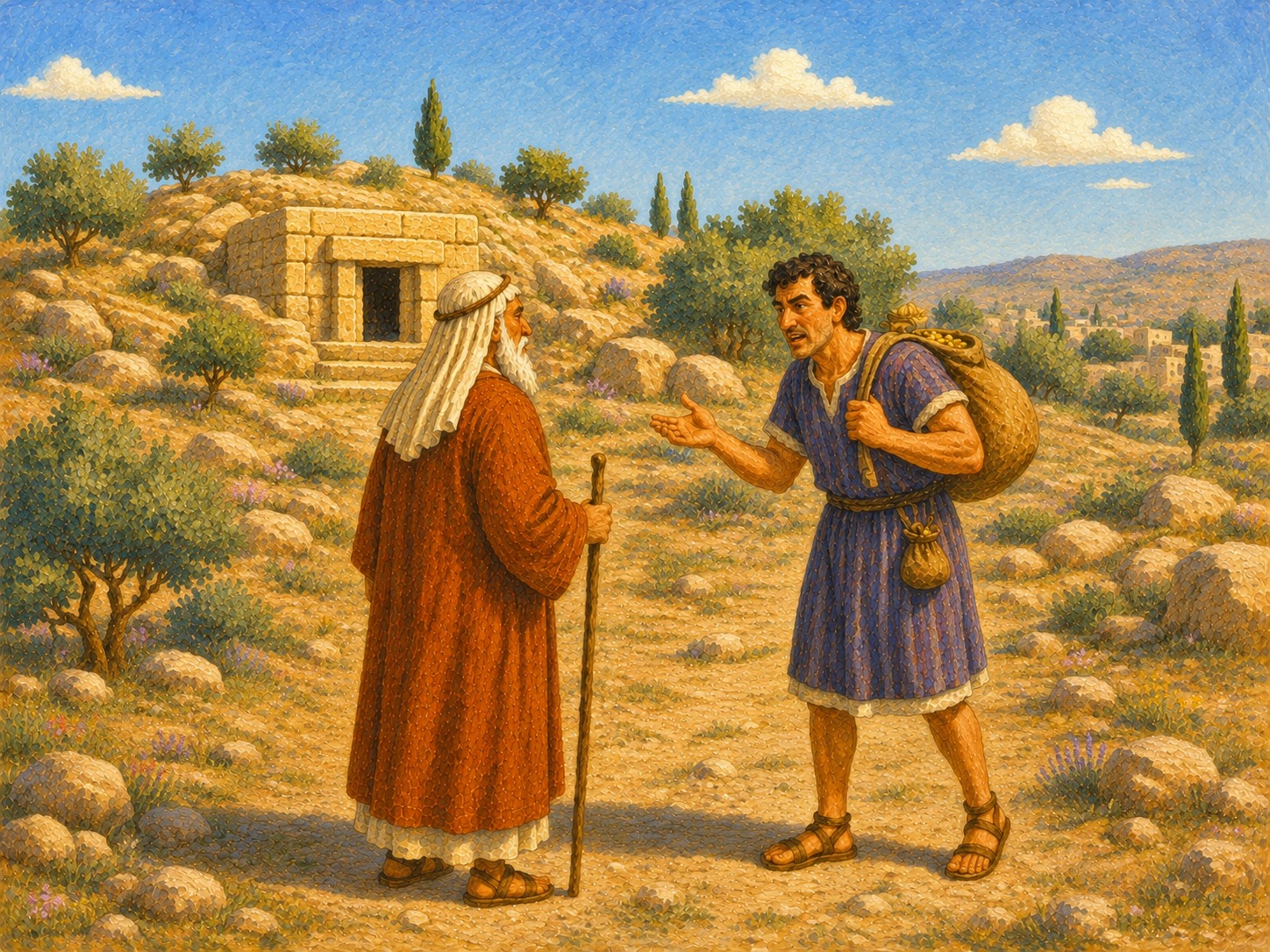
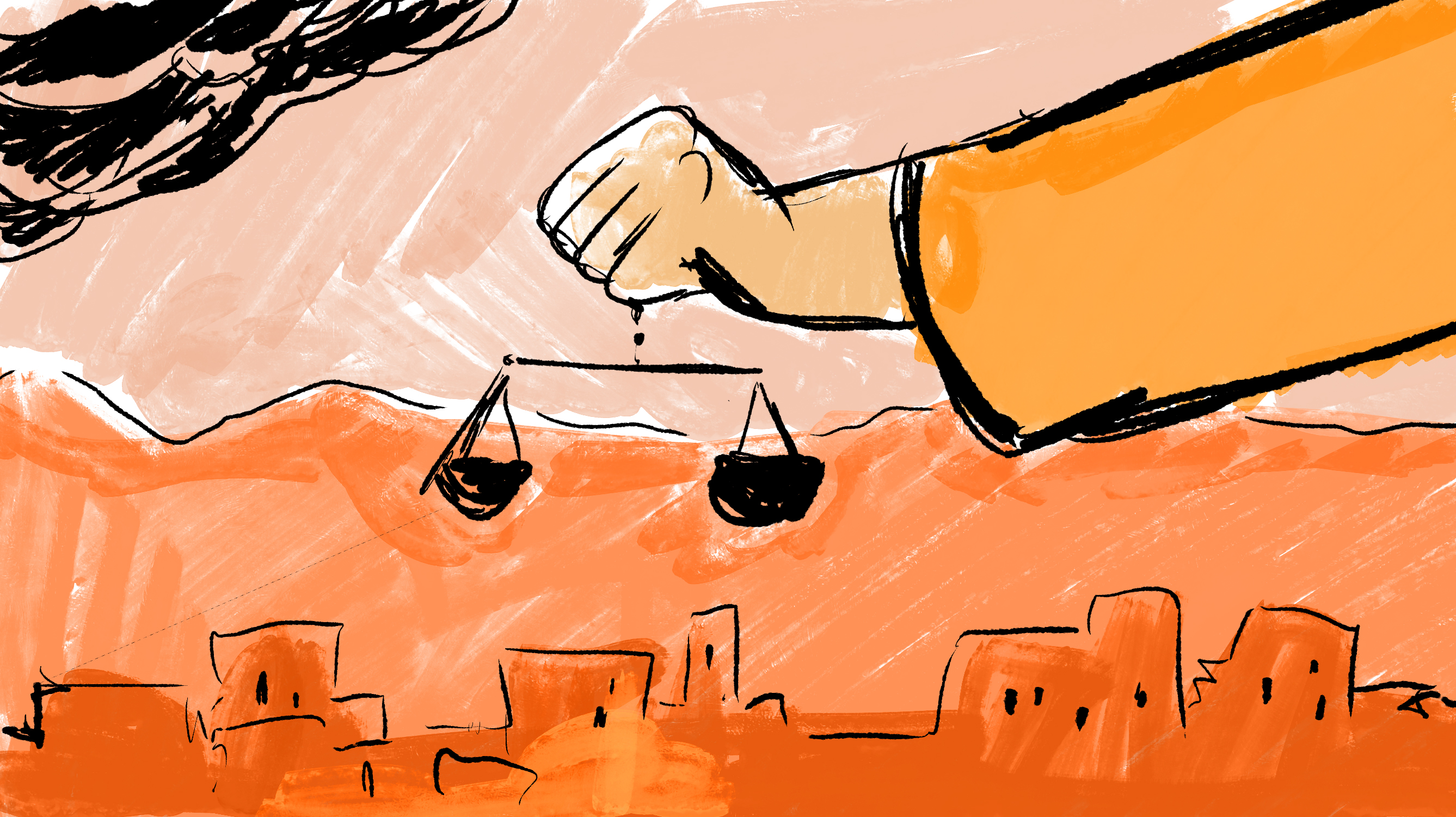
If something truly matters to us, we are willing to invest in it, to work hard for it, and not to give up. Avraham Avinu worked hard to purchase a burial place for his wife in Hebron. And the effort was worth it. That burial plot became the tomb of our patriarchs, a place of great importance to every Jew to this day.
Summary of the unit and central values: In this class we will address Avraham's effort and dedication in purchasing a worthy burial place for Sarah in the land of Canaan. Avraham, described as "a stranger and a resident," carried out a prolonged negotiation with Efron the Hittite and acquired the Cave of Machpelah for its full price, publicly and legally — a purchase that made the cave the first property in Avraham's absolute possession, and the burial place of Avraham and Sarah, Yitzchak and Rivka, Yaakov and Leah. The class begins with an image of the Cave of Machpelah today and invites students to reflect on the importance of the place (even before getting into the text); it continues with a reading of the opening verses, pausing especially on the balance between Avraham's mourning and the actions he takes to find her a burial plot. The geographic mapping allows students to see Hebron on the map, and to see this point as part of Avraham's travels through the land, studied throughout the whole story. The class continues in study pairs (chavrutot) on the subject of the negotiation for the cave with Efron. Students will focus on the question: what did Avraham invest, what did he give up, and what did he receive? In addition, they will address the question of what matters to them in life — something they are willing to invest a great deal in — and what they are willing to invest for that thing. The class concludes with the importance of the cave throughout history, from Yaakov Avinu's request to be buried in the Cave of Machpelah — the family burial place of the patriarchs — to this day. (Watching a video about the archaeological findings discovered in the cave highlights the importance of the cave throughout the generations.) The central values that emerge from this unit are: Responsibility and devotion — Avraham acted out of a deep sense of responsibility toward his wife, even after her death, and made sure she received a dignified and honorable burial. Avraham's determination and independence in purchasing the cave have made the Cave of Machpelah, to this day, an immense heritage for the people of Israel and a place to visit and to pray at. Great effort is needed when it is important to achieve something.
El éxodo de Egipto. Mapa con explicacionesThe student will know that Avraham purchased from Efron the Hittite a burial plot and a field for his wife's burial, and will know how he acquired the cave.
The student will know where the Cave of Machpelah is located.
The student will know who else is buried in the Cave of Machpelah (the patriarchs and matriarchs).
Responsible decision-making: identifying problems, analyzing possible solutions, attempting to solve problems by practicing critical thinking skills and social and ethical responsibility.
Self-awareness: identifying emotions such as grief, determination, and responsibility in the face of important decisions.
In chapter 23, the Torah relates the death of Sarah and Avraham's actions in response to it. It is one of the first chapters in the book of Bereishit to deal with death, burial, and the creation of a permanent bond with a place in Eretz Israel, the Land of Israel.
It is interesting to note that, unlike many chapters in Avraham's story, in this chapter G-d does not speak to Avraham or intervene in the course of events, according to the literal sense of the biblical text. Avraham acts on his own initiative, out of responsibility and out of faithfulness to the path he has lived by until now. Precisely in the absence of a revelation or an explicit command, his ability to act independently and to live out the values by which he lives becomes evident.
The center of the chapter is the purchase of the Cave of Machpelah from Efron the Hittite. The Torah dwells at length on the description of the negotiation, the legal details, and the process of the purchase. This unusual length teaches about the importance of the act and about Avraham's determination in the purchasing process. Although the land had been promised to Avraham and his descendants, this is the first property in the land of Canaan acquired in full possession, publicly and by mutual agreement. The Sages and biblical commentators noted that the Cave of Machpelah is one of the three places in the land that were purchased for their full price, and therefore the nations of the world cannot claim: "it is stolen property in your hands" (Bereishit Rabbah 79:7).
The purchase is not only a solution to the immediate need to bury Sarah. It symbolizes the passage from G-d's promises to Avraham to their fulfillment by Avraham himself. Avraham, described at the beginning of the chapter as "a stranger and a resident," acquires for the first time a real foothold in the land that was promised to him. For this reason, the Cave of Machpelah became not only the burial place of Sarah, but also the family burial place of the patriarchs and matriarchs, and later, also a central site for Jews across many generations.
An additional important emphasis is Avraham's ability to keep building and acting even from a place of loss and grief. Alongside the dimension of personal mourning, the chapter expresses the continuity of Avraham's family and the deepening of the bond between the patriarchs' family and the land of Canaan.


"וְאַחֲרֵי כֵן קָבַר אַבְרָהָם אֶת שָׂרָה אִשְׁתּוֹ
אֶל מְעָרַת שְׂדֵה הַמַּכְפֵּלָה עַל פְּנֵי מַמְרֵא הִוא חֶבְרוֹן בְּאֶרֶץ כְּנָעַן". (בראשית כג:יט)


.png)




.jpg)
.jpg)
.jpg)


.jpg)


