

-%D7%9C%D7%91%D7%9F.png)

After many long years of waiting, the great moment arrived: the birth of Yitzchak. Sarah's reaction was laughter. "G-d has made laughter for me; everyone who hears will laugh with me." The laughter expressed surprise and joy. But then a crisis broke out: Sarah saw Hagar's son "mocking" (metzachek), a word that describes a very negative act. Sarah understood that Ishmael would influence Yitzchak negatively if he grew up alongside him, and so she demanded that Avraham expel him. Laughter can express joy, wonder, and elevation, but it can also express contempt and humiliation.
The central values that emerge from this unit are:
1. G-d remembers and fulfills His promise. (the birth of Yitzchak)
2. Educational responsibility requires making difficult decisions out of concern for the future and for shaping the identity and path of the next generation.
3. Laughter is a tool that should be used for good.
Knowledge objectives in teaching this unit:
2. The student will distinguish between the two types of laughter in the biblical text: laughter as an expression of joy versus laughter as mockery/threat.
3. The student will learn about the different interpretive opinions on the meaning of the term "metzachek" (mocking), which led to the expulsion of Ishmael and Hagar from the house of Avraham and Sarah.
Responsible decision-making: analysis of conflict situations, identification of emotional and moral criteria, recognition that a person's decisions affect everyone.
Social awareness: compassion toward the different characters —Hagar, Ishmael— even when one's stance toward their behavior is critical. (see the Avraham and Sarah timeline for the story of Ishmael and Hagar)
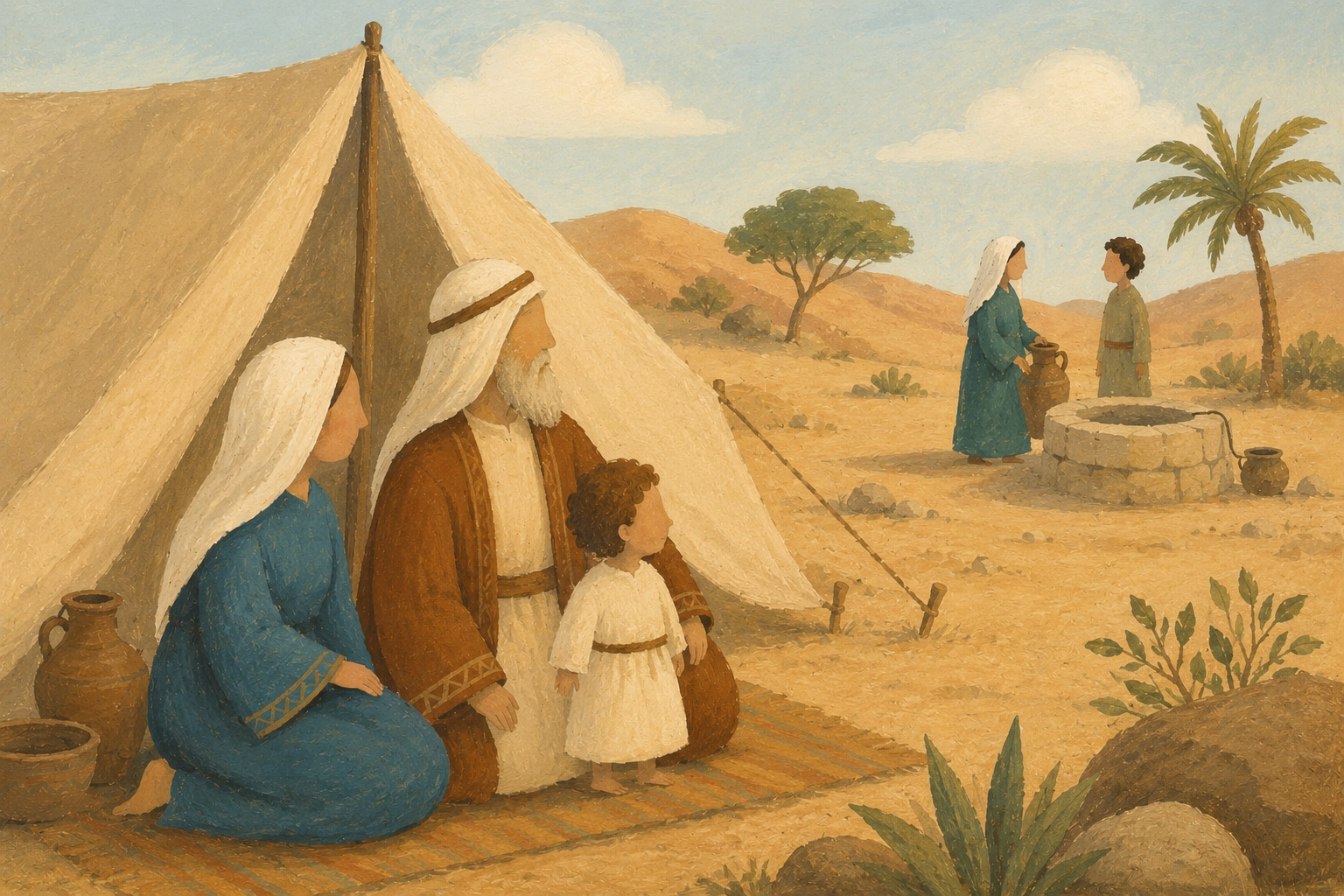
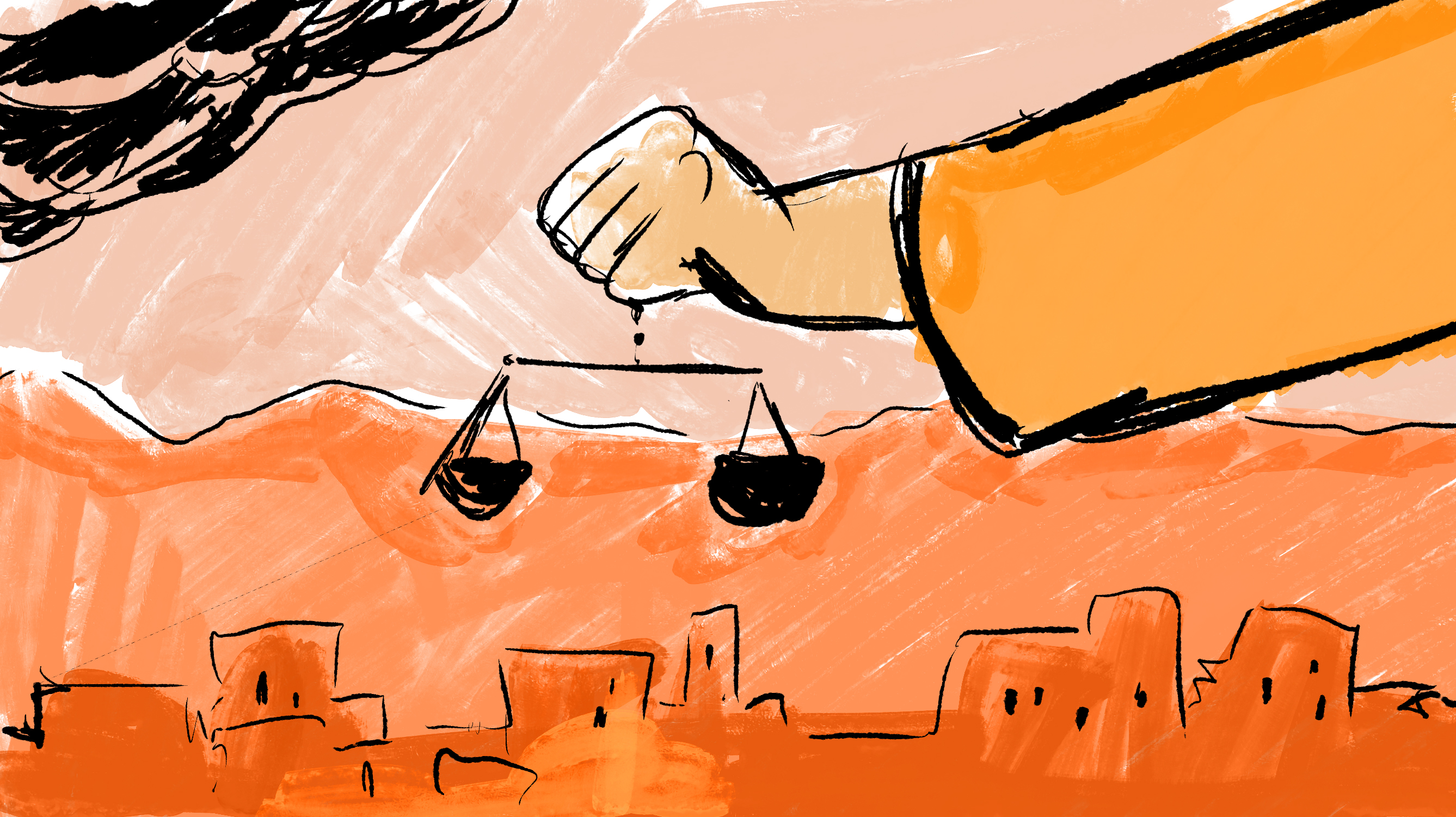
In our last classes, we learned that Avraham and Sarah were told they would have a son. In the opening verses of chapter 21, the birth of Yitzchak is described as the fulfillment of the divine promise: G-d remembered Sarah, she conceived and bore Avraham a son in his old age, at the exact time that had been told. Avraham named the boy Yitzchak, circumcised him on the eighth day, and held a great feast on the day he was weaned. Sarah expressed joy and amazement at the miracle that had happened to her, and highlighted the wonder of nursing a son of Avraham in her old age. This is a high point in the story of Avraham and Sarah. Immediately after the description of the great feast and the tremendous joy, there is an abrupt turn in the plot. Hagar's son is "mocking" (metzachek). It is not entirely clear what this mockery or laughter consisted of, but it is certainly negative in nature, related to his influence on Yitzchak. Sarah asked that Ishmael be expelled, but Avraham was displeased with this request: "the matter greatly distressed Avraham, because of his son" (Bereishit Chapter 21, Verse 11). G-d revealed Himself to Avraham and said: "whatever Sarah tells you, listen to her voice, for it is through Yitzchak that your offspring will be called" (Bereishit Chapter 21, Verse 12). The continuation of the dynasty would pass through Yitzchak.A
And even so, G-d heard the voice of Hagar, saved Ishmael, and also promised that he would become a great nation.


"...כִּי בְיִצְחָק יִקָּרֵא לְךָ זָרַע."
(בראשית כא:יב)
"...for it is through Yitzchak that your offspring will be called."
(Bereishit Chapter 21, Verse 12)
We have learned that one of the components of understanding a story is the dimension of time.
Ask the students questions concerning the time when the plagues occurred: How long did each plague last?
How much time passed between each plague and the subsequent plague? And – in general – how long did the plagues that were inflicted on the Egyptians by the Hand of God last?
Ask the students to try follow up on an Egyptian and an Israelite who experienced the plagues.
Based on the opinions presented by the commentators – the plagues lasted over a whole year. (Mishnah Eduyot Perek 1 Mishnah 10) and each plague lasted a month, and one week passed between each plague (Shmot Rabbah, Parsha 9). The students will write a new insight that they learned about the plagues, based on their learning about time.
The activity is attached in the work card (How long did the plagues last)
Collect the answers from each student or hold a short discussion in class.


.png)




.jpg)
.jpg)
.jpg)


.jpg)


